
Scarf Trend
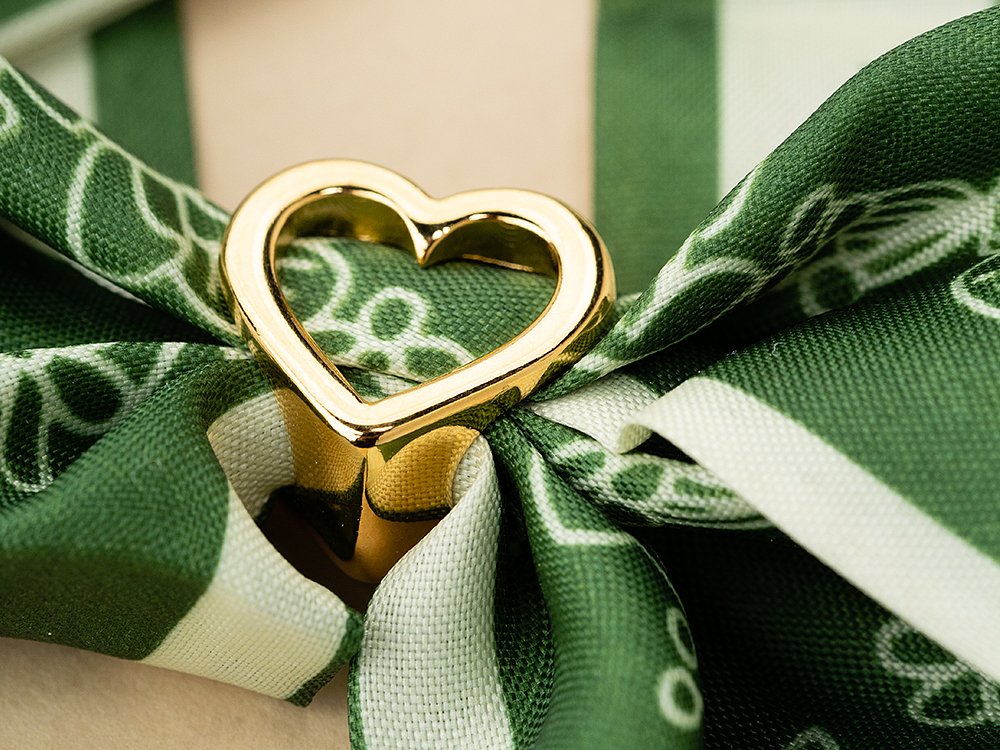
The scarf-as-jewelry trend opens new creative directions for your collections. Thread oversized beads and connectors through scarves to create alternative necklace designs. Large metal elements in gold or silver finishes turn simple fabrics into statement pieces your customers can wear in many different ways.
The key is scale: components need to be bold enough to stand out against the fabric.





Sliders
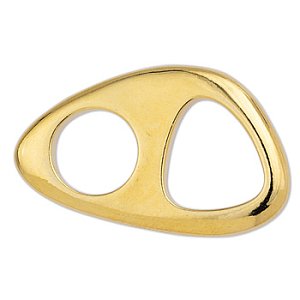
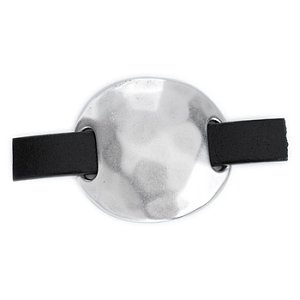
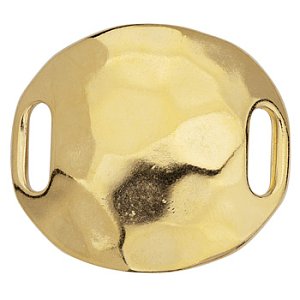
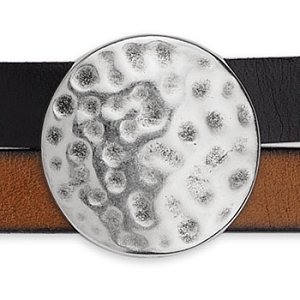
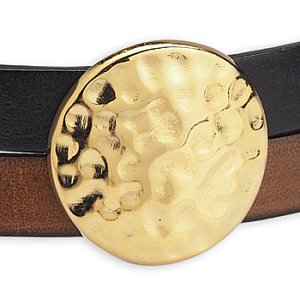
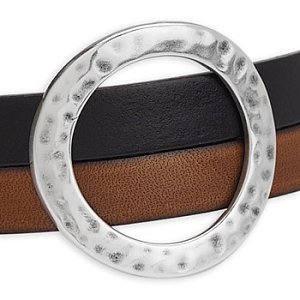
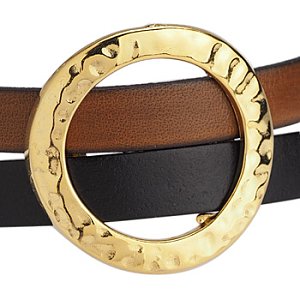
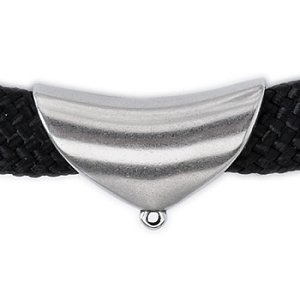
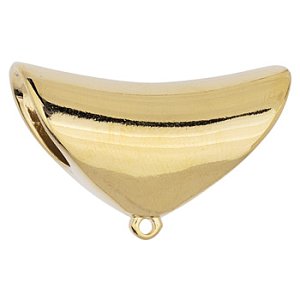
Slide-through motifs with a rectangular opening can be worn individually or combined in different platings, with one piece placed inside the other. They are ideal for choker designs and can also be used to create bracelets.


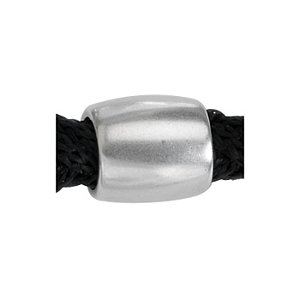
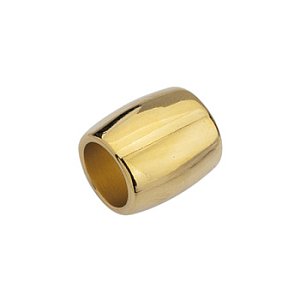
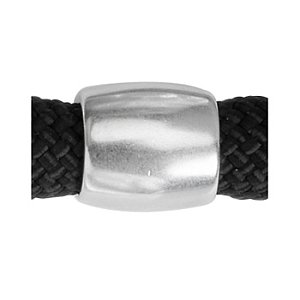
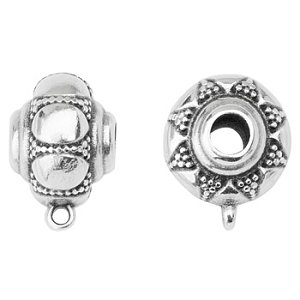
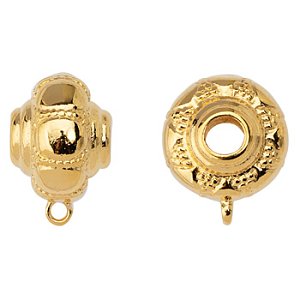
Beads - How to choose the right diameter
The diameter (Ø) can be selected based on three main factors:
The thickness of the scarf: The diameter should allow the scarf to pass through comfortably, without being squeezed or damaged.
The way of use: The choice of diameter also depends on how many times you want the scarf to pass through the bail.
Specifically:
Once: To simply hang the element and tie the scarf as a necklace.
Twice: To pass the scarf through and use the bail as an adjustable system, like a practical and elegant closure.
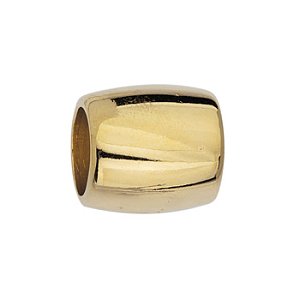
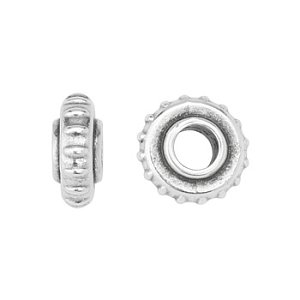
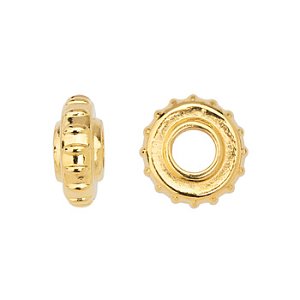
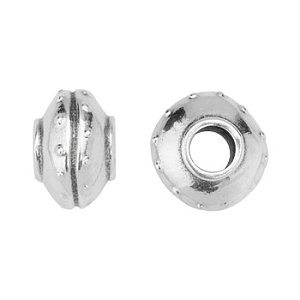
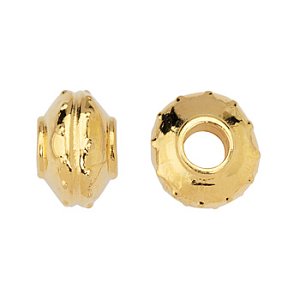
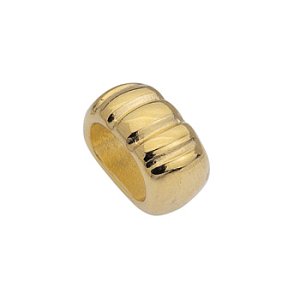
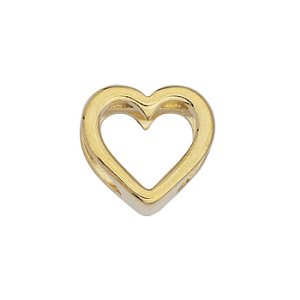
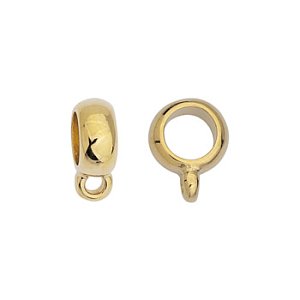
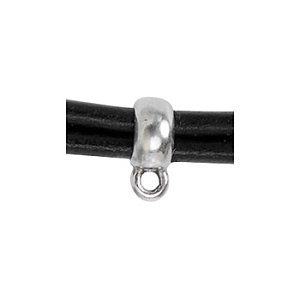
Bails - How to choose the right diameter
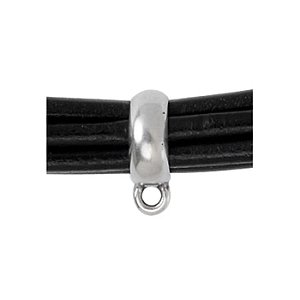
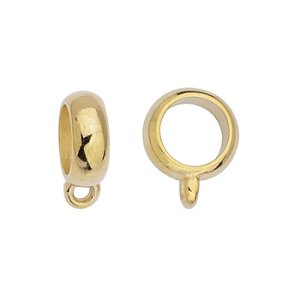
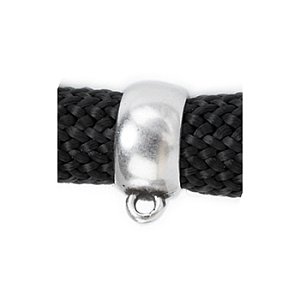
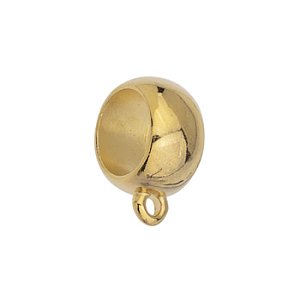
The diameter (Ø) of the bail is selected in the same way as the bead diameter, with one additional factor:
The size of the charm: It is important to keep a balanced proportion between the bail and the decorative element for an elegant result.
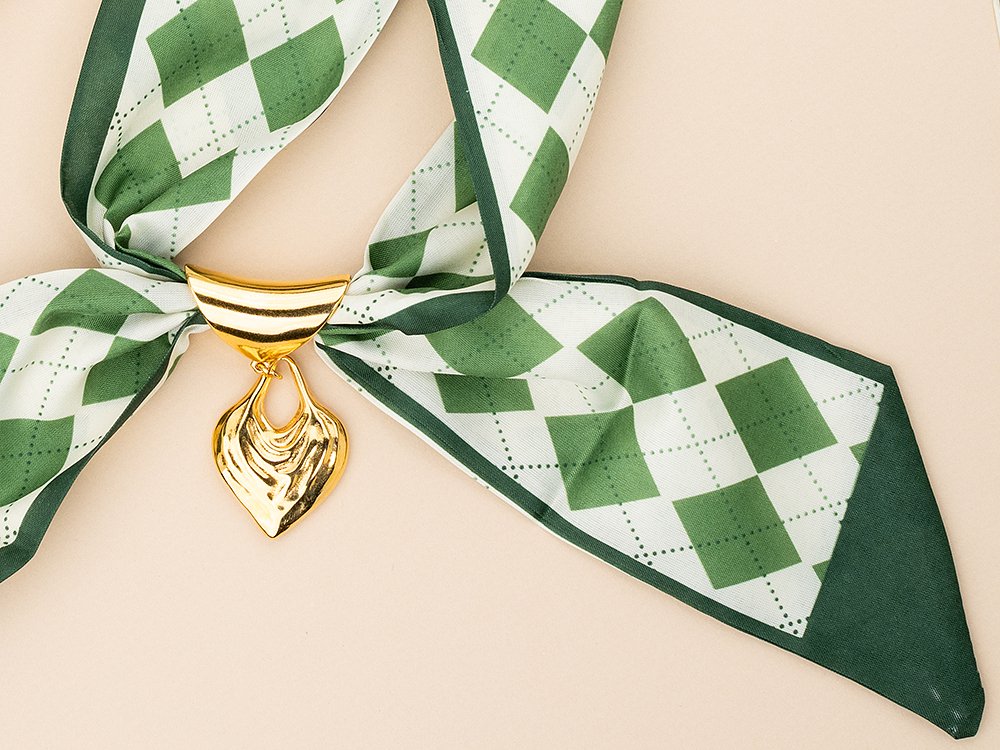
Scarf ties that transform the look
Scarves are becoming one of fashion’s most versatile styling pieces, offering endless ways to refresh a look. Beyond the fabric itself, the way a scarf is tied, wrapped or combined with accessories can completely transform the final result, giving even the simplest outfit a more personal and refined character.
One of the most interesting styling directions is the combination of scarves with jewelry. A beaded necklace, for example, can be threaded through one side of the scarf and tied on the other, creating an unexpected detail that feels both elegant and contemporary.


